Nearing the Home Stretch, Offshore Wind Power Needs Our Focus More than Ever
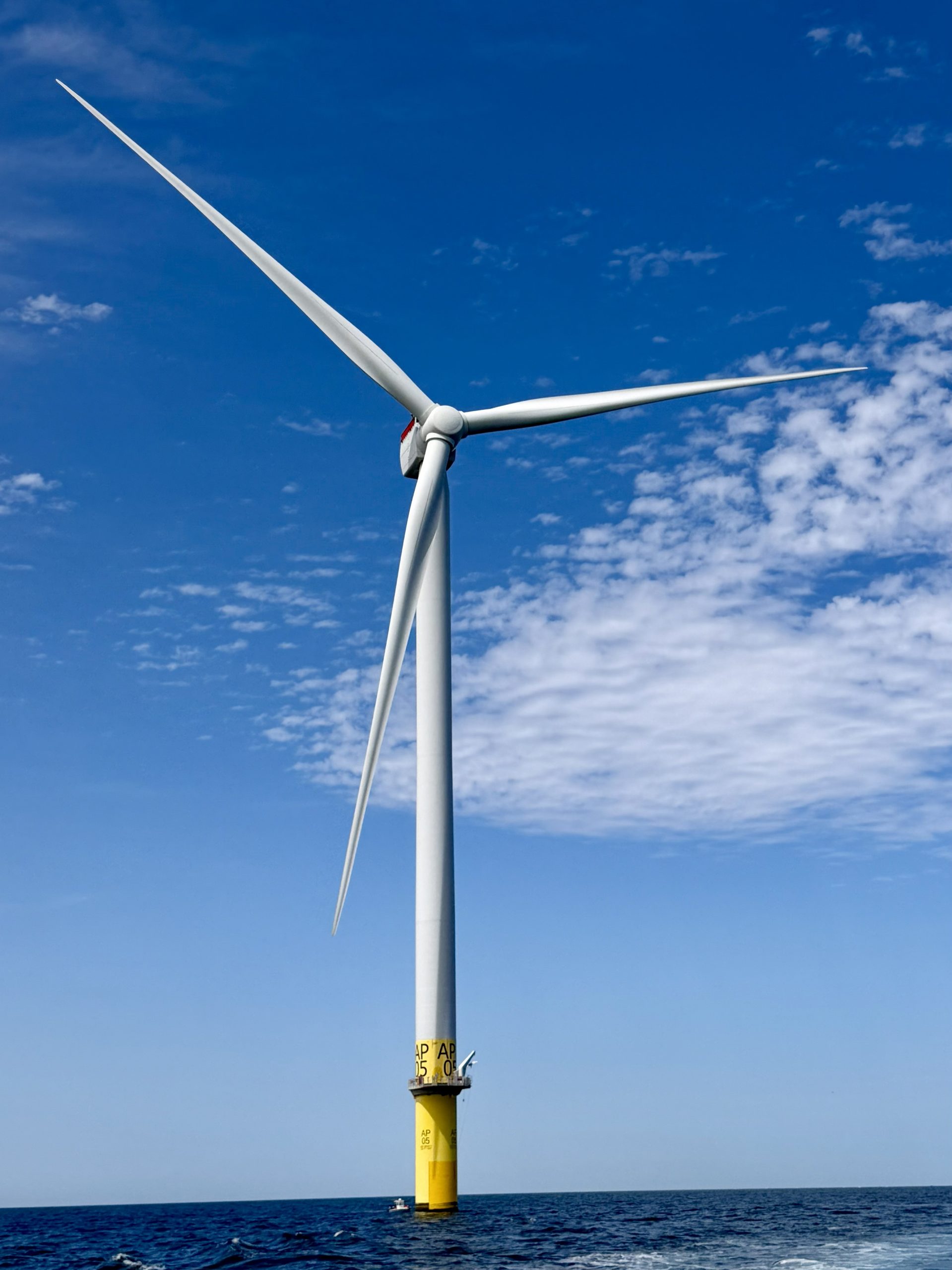
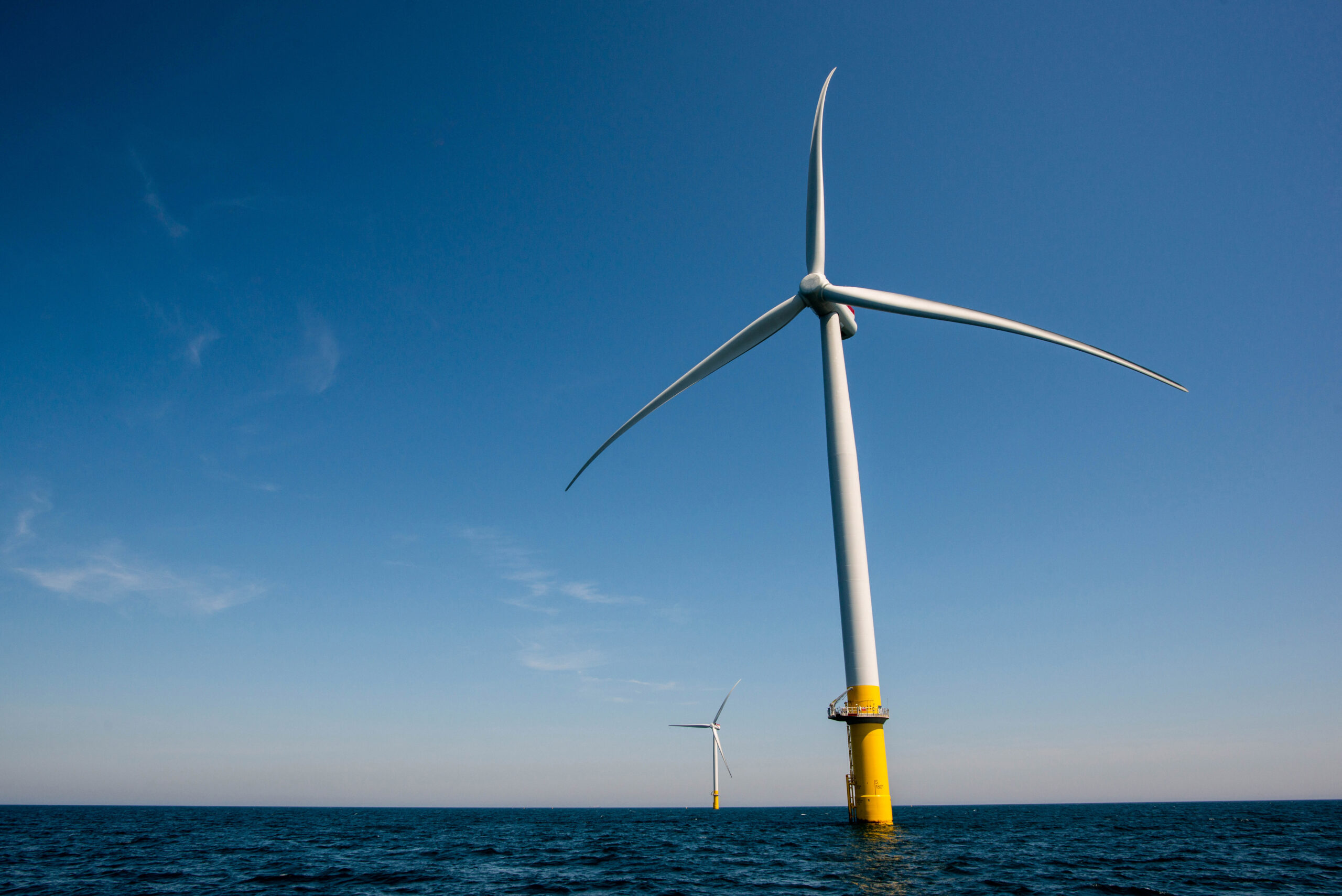
The United Kingdom’s Greater Gabbard wind farm. Flickr photo by DECCgovuk.Each state’s road to tapping its offshore wind power potential is marked with its own unique set of hurdles. As a Massachusetts native, I have been hearing the back-and-forth on the Cape Wind project for more than half of my life. While the project’s developers trudged through 13 years riddled with 26 lawsuits – of which they defeated every single one – many locals lost track of where Cape Wind went. Now on the cusp of construction, a large area of federal waters far off the Massachusetts coast has also been designated for offshore wind power development – creating further opportunities to ensure this critical new clean power source plays a major role in the Commonwealth’s energy future.
Cape Wind kicked off America’s tangible pursuit of harnessing the clean and limitless wind energy off our shores, and since then, nearly all coastal states have started exploring their opportunities. Last month, NWF released a report outlining the status of offshore wind power development in all Atlantic Coast states. With its own Block Island Wind Farm slated for construction next year, Rhode Island joined Massachusetts at the front of the pack, with Maryland close behind and key opportunities emerging in states like Virginia, New York, and New Jersey. Concluding with a set of five recommendations to help state leaders reach their offshore wind power potential, the report emphasizes a key message: now is the moment to double down, raise our voices, and make offshore wind power a prosperous American reality.
America Needs Offshore Wind Power
Early hesitation to embrace the new and abstract concept of powering our homes and businesses with offshore wind energy has long been addressed. Today’s offshore wind power industry is a booming international celebration of a solution that can match the scale of our environmental challenges. Two decades of lessons learned overseas – where over 70 projects are up and running supporting over 60,000 jobs – demonstrate that the benefits of offshore wind power extend even beyond its lack of carbon emissions. For instance:
A more diverse energy portfolio will stabilize electric rates by buffering consumers from volatility in the fossil fuel market. Increased reliance on natural gas in the Northeast hinges us to the price spikes we know to accompany summer heat waves and winter cold snaps. With the added bonus of keeping our energy dollars local, the winds right offshore are blowing strongest at precisely those expensive moments of peak demand – providing clean, renewable power when we need it most.
Yes, we have made great strides toward seizing the opportunity on our horizon, and that is exactly why we need to raise a united call to keep up the momentum. We need to ensure Cape Wind and Rhode Island’s Block Island Wind Farm can stay ahead of fossil fuel-funded opposition, get built and online, and that more projects line up to follow. We will rejoice the first projects in their own rights – but perhaps most of all, for their value as the start of something new.
For 20 years, the BlueGreen Alliance (BGA) has brought an essential idea to the environmental movement: protecting our climate and creating good jobs are not competing goals. They are part … Read more
In the early morning hours of a hot day at the end of July, anglers from across the country gathered on a dock in Point Judith, Rhode Island, to spend … Read more
We are in a season of milestones for offshore wind energy. Three projects off the Atlantic Coast of the U.S. celebrated major progress towards completion: All three of these projects … Read more
 Offshore Wind Energy
 Tell the Obama Administration that you want a clean energy future powered by offshore wind power!